‘The Animators’ by Kayla Rae Whitaker
Picked this up from the library. Got halfway through and realised I had read it before. (It did look a bit familiar, tbh.) Enjoyed it about as much the second time round, but I like American media creation stories set in the recent past. This one is about two animators who meet at college and make a career out of their autobiographical cartoons, based on their dysfunctional upbringings.
It’s pretty good.
‘Unruly’ by David Mitchell
I picked this up after my wife finished it. As I did, she told me that she had enjoyed it, but couldn’t remember anything about it. I concur with that. It’s fairly engaging and your enjoyment will largely depend on your tolerance for Mitchell’s tone, which I assume everyone is familiar with by now. Some bits that I marked out, because I knew I wouldn’t remember them at the time:
That's what 'chantries' were - big expensive religious buildings which rich people funded so that thousands of monk-hours would be put into praying for their souls, thus making sure they evaded hell and sped through purgatory, straight to lovely heaven where they'd presumably then bump into all the other rich nobles they were already accustomed to socializing with.
The idea behind porphyrogeniture was that, even better than being the first-born male of the previous king, was being born while your father was already king - ‘in the purple’.
Buy ‘Unruly’ by David Mitchell at bookshop.org
‘Erik Satie Three Piece Suite’ by Ian Penman
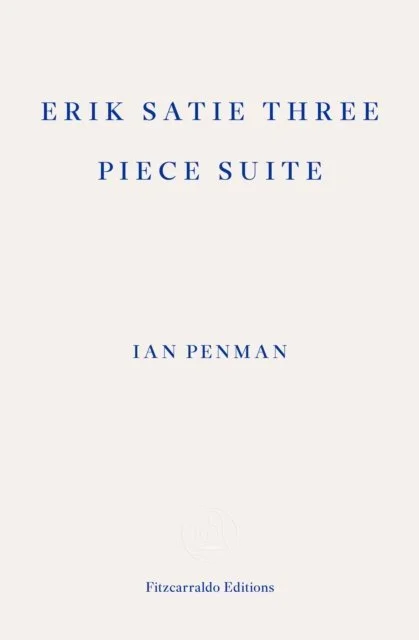
This was interesting. As the title suggests, the book’s approach to Erik Satie is trifold. The first part is a history of the composer and the context he worked in, which is great. The second part is a sort of Satie encyclopedia with short entries about different people, places and themes. The third part is a journal of the music the author listens to over the course of a couple of years, including lockdown, and that seemed like filler to me, but hey.
There’s lots I could have quoted, but this was from the middle section:
MALLARMÉ
Stéphane Mallarmé (1842-1898). French poet and critic.
His work inspired many musicians: Debussy (Prélude à l'après-midi d'un faune), Ravel (Trois poèmes de Mallarmé), Milhaud (Chansons bas de Stéphane Mallarme), Boulez (Priselon pti); as well as Man Ray (his film, The Mysteries of the Chateau of Dice). Declaimed out loud in French, his poems evoke meanings which are not necessarily evident when read on the page. 'Sonnet en yx' opens with the phrase 'ses purs ongles', 'her pure nails', whose first syllables when spoken aloud sound very similar to the words 'c'est pur son,' or 'It's pure sound.'
Buy ‘Erik Satie Three Piece Suite’ by Ian Penman at bookshop.org
‘The Infinite Blacktop’ by Sara Gran
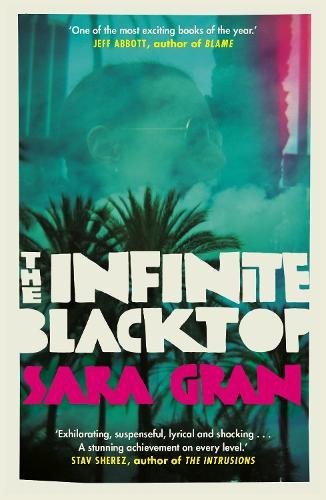
I like messy detectives, particularly if they’re not cops. I’ve read the previous instalment in this series and enjoyed it and this one was pretty good, too. It sort of petered out towards the end, but I think that was just my attention waned a bit as it tried to pull the plot together.
The story’s not wildly important, but there are some passages about art and creativity that I pulled out:
"He came over—you all kind of work in a circle in class, it's like the movies he came over and he said, 'This is realy good, and you're obviously very talented. But now, I want you to make the worst painting you can. I want you to just completely fuck this up. Just loosen up your horizons of what you ought to be doing.' And I did–"
Now Tiffany started to cry outright. Her nose turned red and her eyes and forehead scrunched up.
"And that was the hardest thing id ever done i my life. I spent all semester on it. Making the worst painting I possibly could. Just totally fucking up everything I’d worked for all my life. Just diving into it. Just really coming to terms with how much I hated myself and my own art. How disgusting I really thought I was.”
"So what happened?" I asked. "Was it the best panting you ever made?"
"No," Tiffany said. She finished crying and even smiled a little. "It was horrible! Like seriously the worst of the worst of art school– which is really saying something. But when I was done, I was still me. I was still Tiffany Stockton. After that, I knew I could fail and live. And I knew I could take risks, like I had with the welding, and that sometimes those risks wouldn't work, but I would be a better artist, and a better person, because of it. And the next painting I did after that, that was really good. Like, way better than anything l'd done before. And I knew that who I was was not entirely dependent on my results. I am who I am because of who I am, not because of the commodities I generate or even the, you know, the sacred objects that I generate. I am not my results. I am my process."
I let that sink in for a long minute and realized that I agreed with her.
p123-124
"All I wanted," the lady said, "was to make her see how she had hurt me."
Later, I would learn that was all most people wanted: to make everyone see how they'd been hurt. Eventually I would see that I was one of those people-that huge swaths of my life had been a message with no receiver, a dramatic story in a language no one spoke but me. We were screaming. No one was listening.
p226
There was also a good bit about the primary motivator in all artistic relationships is about asserting who is best, but the book went back to the library before I could think to scan it.
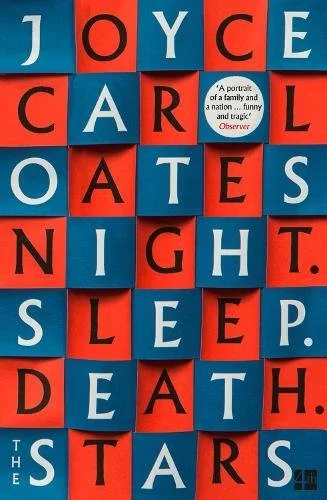
‘Night. Sleep. Death. The Stars’ by Joyce Carol Oates
(Have been reading a lot, but posting out of reading order because there’s a backlog and I just want to clear them.)
John Earle McClaren, nicknamed "Whitey", is a well-respected 67-year-old man who served as the mayor of Hammond, New York, and is the father of five children. Whitey, who is white, intervenes in a police stop of an Indian American man. He is tased by the police, suffers a stroke, and dies. The rest of the novel concerns the fall-out of Whitey's death for the McClaren family—Whitey's widow, Jessalyn, and his children, Beverly, Lorene, Thom, Virgil, and Sophia—including Jessalyn's relationship with a Cuban artist and Thom's pursuit of charges against the officers responsible for Whitey's death. (taken from Wikipedia)
It's a big book, over 750 pages, and it made me think about Big Books in general. I spent a lot of time considering whether the five siblings could have been cut down to three. A couple of them seem to occupy similar spaces emotionally, and I wondered if another author’s editor might have suggested trims. There’s a counter-argument, though, that the family dynamics wouldn’t be the way they are if there had only been three children, as the competition for attention and affection would have been different.
I’ve only read a few Joyce Carol Oates books, but all of them leave me feeling impressed, but hollowed out.
‘Violet’ by SJI Holliday
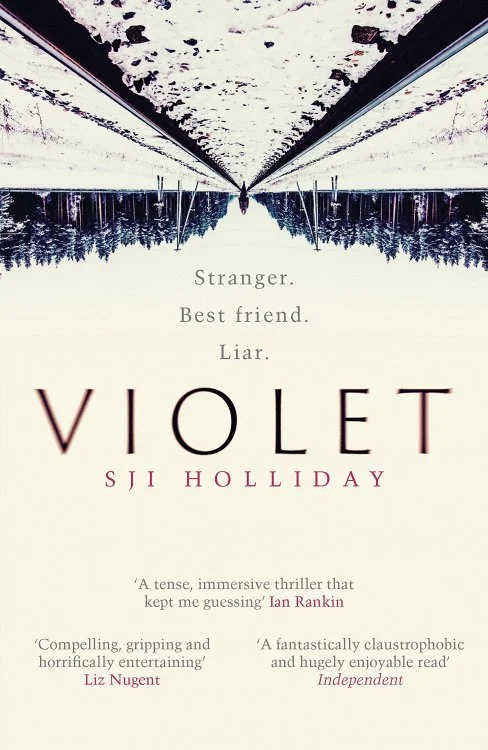
My reading at the moment seems to have been quite grim. One of the odd things about books is that sometimes the thing you want to pick you up is a fairly nihilistic thriller about jealousy and obsession. I’m not saying ‘Violet’ was great, but it was a fun, quick read. It’s the story of two backpackers from the UK who meet by chance in Asia (or do they…?) and decide to travel together for a while, just as mates (or are they…?) and as time goes on they get into some scrapes that seem to be just by accident (or are they…?) and it rattles along quite nicely from there (or does it…?). One of the things that’s quite effectively done is that although you know from the blurb and the setup that one of the backpackers is scheming something, it’s never 100% clear which one it is. You might be 80% sure that Violet isn’t what she seems, but there’s just little bits indicating Carrie might be a little bit iffy, too. It works pretty well.
‘Friday Black’ by Nana Kwameadjei-Brenyah
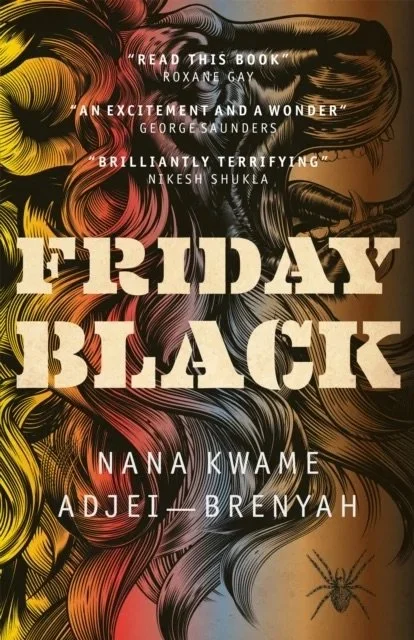
I got this collection of short stories from the library. I thought the first story, The Finkelstein Five, was pretty good. I also liked the two stories that turned the consumerism of Black Friday shopping events and turned them into zombie plagues. More than anything (and I realise this is going to sound shifty) there were a couple of stories in this that really highlighted how a lot of short stories are structured. I’m thinking mainly of The Era, which felt very familiar in its storytelling, even though the context was interesting. I don’t know. You look at stories long enough, you start to see patterns.
It’s gone back to the library already. I wish I’d kept it longer, just so I could study it a bit more. Books like that are funny - you might not like them, but they can teach you things.
Buy ‘Friday Black’ by Nana Kwameadjei-Brenyah at bookshop.org
'The Virgin Suicides' by Jeffrey Eugenedis
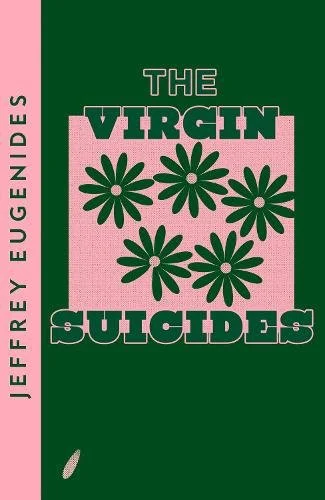
This is one of those ones that’s been knocking around on my Kindle for a while now. I’m not sure if it had the line ‘TIKTOK MADE ME BUY IT!’ in the title when I purchased it, but I ignored that and pressed on when I couldn’t sleep one night.
It’s good, obviously. I’d be interested to see Sofia Coppola’s adaptation of it and found I had Kirsten Dunst as the mental image of the Lisbon sisters as I was reading it. I was interested in the structure, in that it’s five long chapters, and also that it’s told be an anonymous collective of boys who observed the deaths. While I wouldn’t say I loved it, I certainly admired it. There were bits in there that made me think god, that’s really writing. On reflection, I’m not sure how I feel about that. But still. There’s a reason it makes the list of books you should read about teenage life. I didn’t really highlight much, apart from the one quote that everyone highlights:
Excerpt
The paramedics took Cecilia to Bon Secours Hospital on Kercheval and Maumee. In the emergency room Cecilia watched the attempt to save her life with an eerie detachment. Her yellow eyes didn’t blink, nor did she flinch when they stuck a needle in her arm. Dr. Armonson stitched up her wrist wounds. Within five minutes of the transfusion he declared her out of danger. Chucking her under her chin, he said, “What are you doing here, honey? You’re not even old enough to know how bad life gets.”
And it was then Cecilia gave orally what was to be her only form of suicide note, and a useless one at that, because she was going to live: “Obviously, Doctor,” she said, “you’ve never been a thirteen-year-old girl.” —p5
Buy ‘The Virgin Suicides’ by Jeffrey Eugenedis at bookshop.org
‘The Cipher’ by Kathe Koja
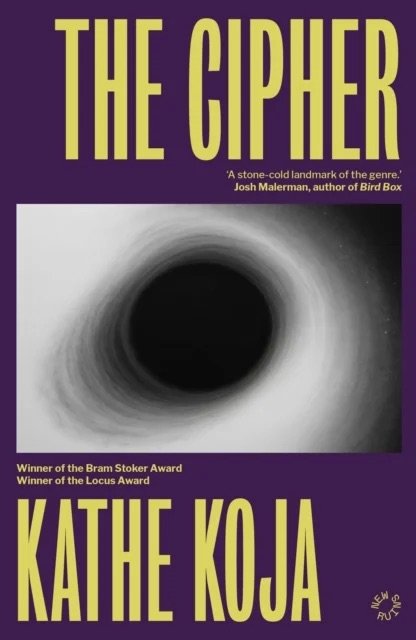
Well, I read this but didn’t write it up for over a week and when I tried to write it up, I couldn’t remember the name or who it was by. Thankfully, searching for ‘novel with the funhole and the guy with the hole in his hand’ brought up the right results.
I don’t know. I guess it’s just not for me. I enjoy horror novels now and then, but am realising that I really have difficulty with wilfully self-destructive characters. This has them in spades.
In a nutshell, two underemployed people in their twenties discover a weird floating hole in space, located in the apartment below the protagonist’s. What becomes a shared secret soon spirals into a small cult and… people act against their own best interests, over and over again.
No quotes from this one because it just left me depressed. It reminded me of the bits I didn’t like in ‘House of Leaves’ - sad sack single man in love with a tattoo artist, etc.
'You Are The Führer’s Unrequited Love' by Jean-Noël Orengo
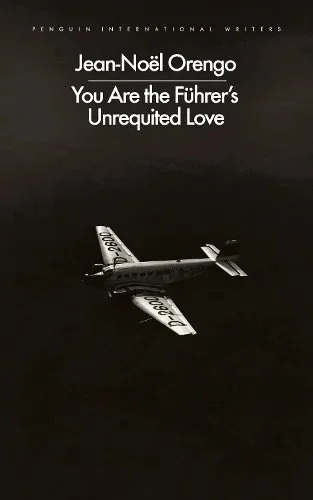
I don’t quite know how to classify this. Metaautofiction? Not quite, because it’s not written by the subject, but it feels different to anything I’ve read before. Detailing the progression of ‘Hitler’s Architect’, Albert Speer, through the Nazi party, the Nuremberg Trials, imprisonment and then post-release fame. It’s this last section that I found most interesting, particularly Speer’s relationship with the historian Gitta Sereny (a former member of the French resistance). The whole thing is written in a very blank style. I thought the changing designation of Speer throughout (the architect, the minister, the prisoner, the star) was an interesting little trick and something I might nick at some point.
Obviously, any depiction of the Nazis is depressing and soul crushing, but that doesn’t mean one should avoid them. The current climate makes it feel more necessary than ever to be aware of how these horrors happen with the cooperation of ordinary folk.
Excerpts
Contemporary buildings should be built with a mind to the ruins that they would later become. It was already an architecture of impact because of its outsize dimensions. It would be even more so if they could prefigure now what sort of ruin it would produce.
It wasn't just a case of using the most durable and most noble materials - the best stones, the best wood, the best fabrics – in the service of durable and noble forms - domes, colonnades – but of using engineering and physics to predict the spots where the cracks would be most beautiful, where the disintegration would be most eloquent and full of pathos.
p80
[Hitler] admired Islam, believing that Europe and the Aryans had chosen the wrong religion when they went with Christianity, that Jewish sect with a mournful Jew as its figurehead, rather than a prophet sanctifying the sword against the infidels. But that was how it was, the vast majority of Germans of Aryan stock were Christians, he had to deal with it, in peacetime as well as in times when war was raging everywhere on the planet.
P129
The Third Reich doesn't forget us, and as long as there are still human beings, it will never forget us. It was designed that way. To make itself unforgettable by the sheer scale of its crimes and the excesses of its monuments. Crimes and monuments.
Its aesthetic won the war. It lost the war of arms but won the war of signs. And the conflict continues on the moral and artistic level, a never-ending total war.
Every kid on earth now knows who Adolf Hitler is. They know the Nazi salute and the 'Heil Hitler!' Most people do it at least once in their life, as a game, to be provocative. Some adolescents in their thirties, forties, sixties still do it even now. From Algiers to Tokyo, Damascus, Mexico, Bangkok, Tehran, the Middle East, Africa, Asia, the dark side of the moon, everyone knows the SS uniform, the swastika armband, the leather, the torchlit parades, the Panzers, the Stukas, Hitler and even Göring, Himmler, Goebbels, a quartet from the history books turned into figurines, video game, filmed, graphic or written biopic, alternative histories, S&M gear, Wehrmacht helmet and heels, fishnet stockings, fashion, rock, the quenelle gesture, swastikas, young people revelling in the double S, Wolfsangel style, the Azov regiment, battalion, company, tank columns on the console and on the steppes, Eastern front for ever.
On the other side, unless it's a relative of yours, coming up with the name of a deportee is more complicated. For most of them, it's a very eloquent concert, a long silence, the orchestra pauses, searching, finding at best only the name of a camp - Auschwitz - and firstand foremost, signs: a yellow, six-pointed star sown onto the chest, numbers tattooed onto the lower arm, striped pyjamas - a binary alternance here too, the flipside of the anti-aircraft searchlights - emaciation, white, bony anatomies, an image floating on the surface of commemorations that become increasingly abstract as the last of the deported pass away, and anonymous, where the human being, the Jew, becomes simply an element of the Nazi décor.
But a proper name?
P248
Buy ‘You Are The Führer’s Unrequited Love’ by Jean-Noel Orengo at bookshop.org
'Kitten Clone' by Douglas Coupland with photos by Olivia Arthur
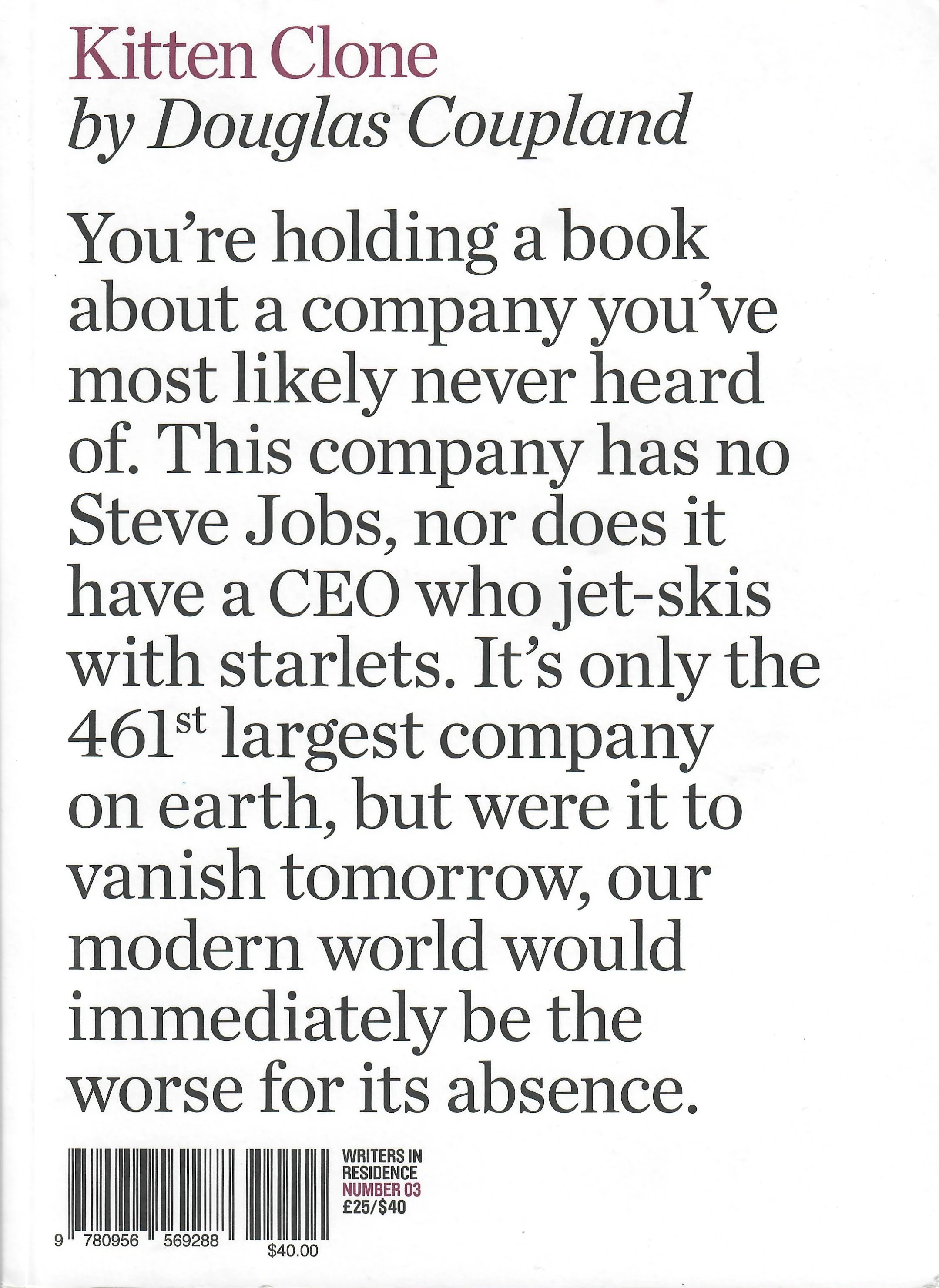
My copy is missing the image wrap. Also, I scanned it and didn’t do a very good job of cropping. Can you tell that I’m procrastinating over working on a draft of something more important? No? Great!
I remember seeing this book when it first came out. I wanted it, but was unsure about spending £25 on a book about a company the the cover heavily implies is pretty boring. I was a fan of Coupland’s ‘Microserfs’, though, and the thought of him covering another monolithic tech company was pretty appealing, but not quite enough to make me purchase it. Since then I’ve read a fair few books about boring companies and would probably risjk a quarter ton on it now, if I hadn’t found a copy on eBay for a tenner.
It’s part of a series called Writers in Residence, which the back cover informs me also did editions on the USS George H.W. Bush and the IMF (unbelievable). I might see if I can find those, not because this one was so good, but because those sound like more interesting subjects.
Alcatel Lucent manufacture and sell communications infrastructure equipment. That’s phones and internet routers on the small scale, undersea fibre-optic cables on the larger side of things. It’s a fairly beige enterprise – not sexy like Apple or a technocratic superpower like Google. The book is written in a manner that injects a bit of life into it and even though the premise is centred around dull companies being interesting, by the end I found myself wishing the same approach had been taken with somewhere more engaging.
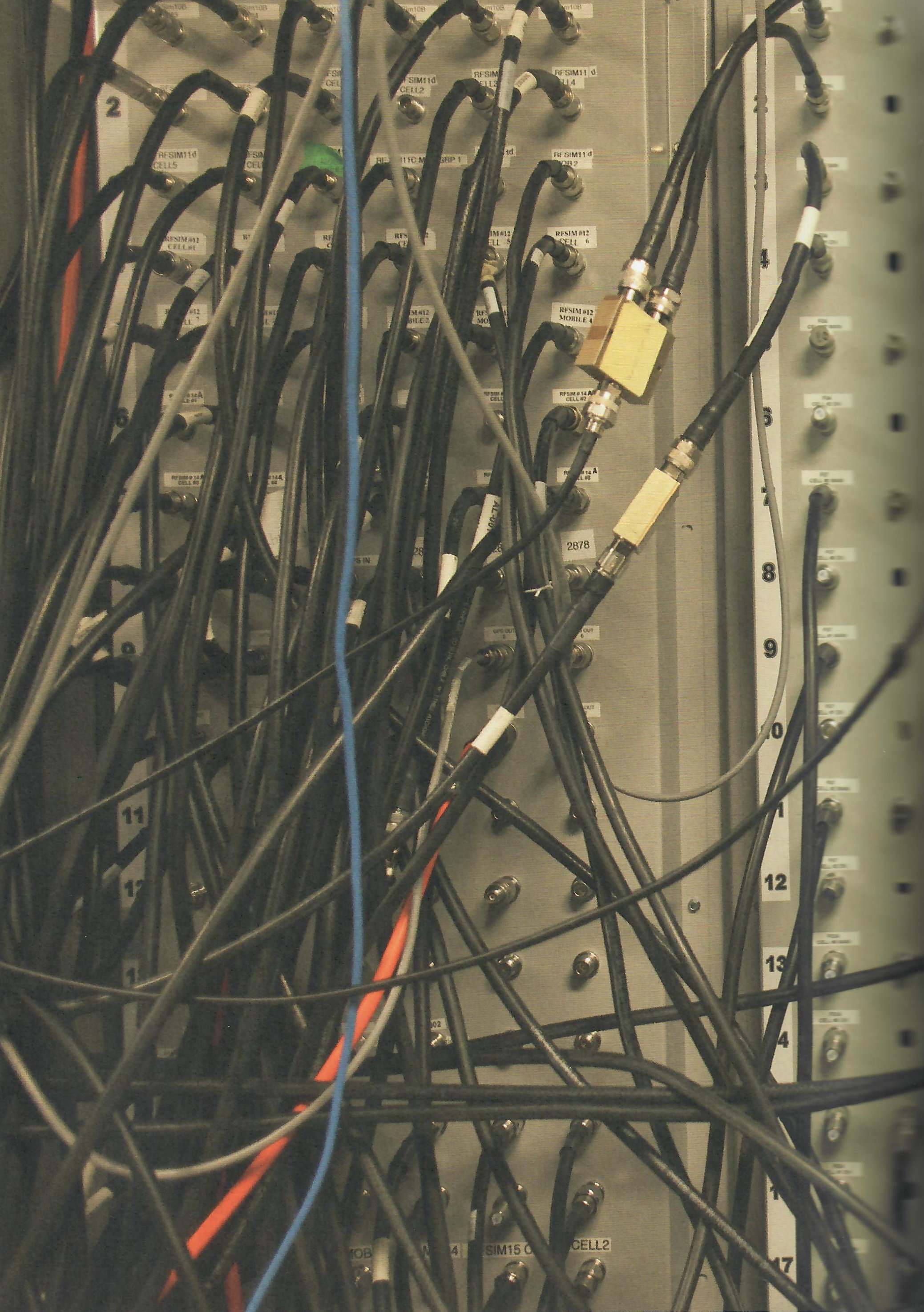
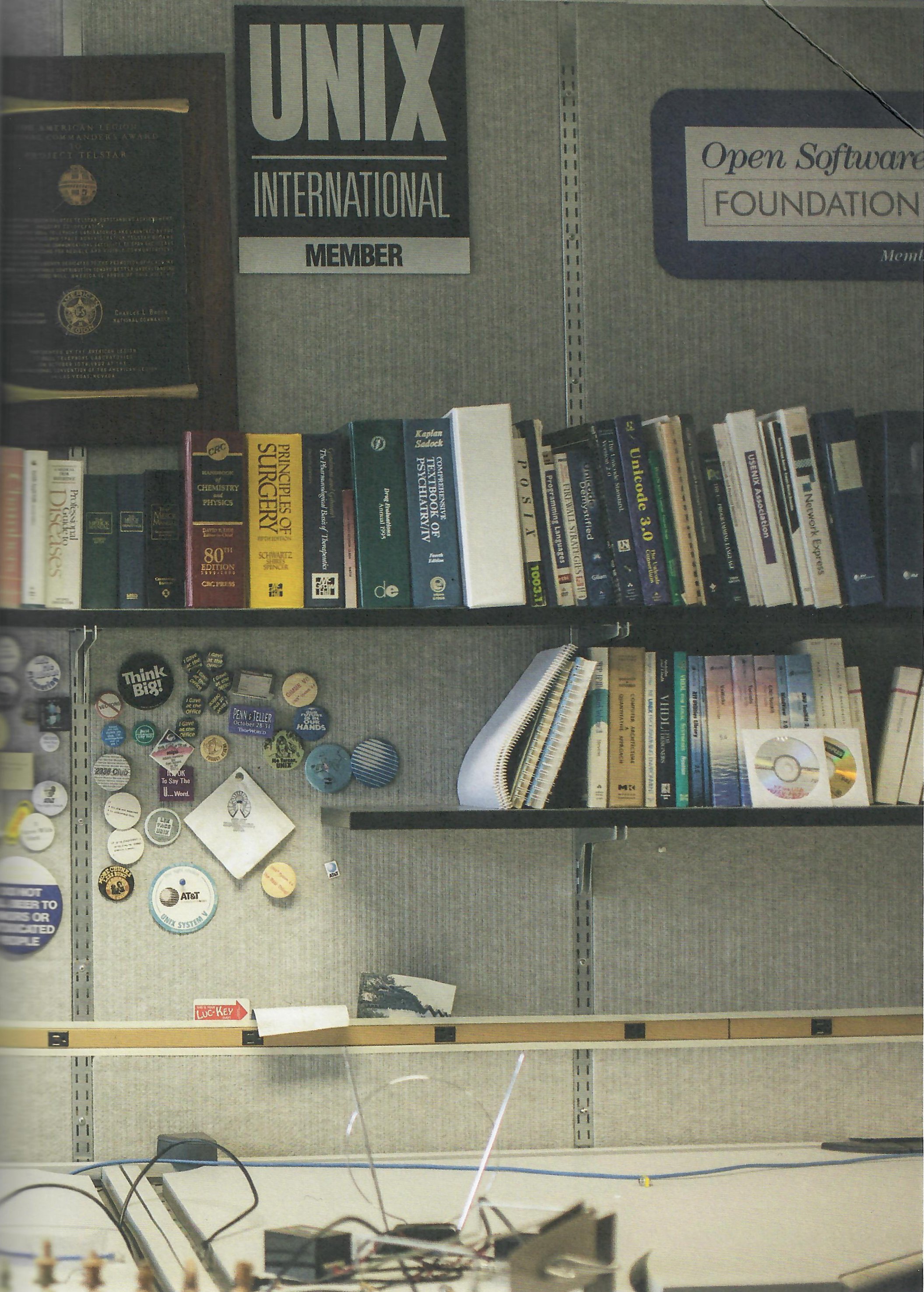
The photos by Olivia Arthur are… fine. I mean, I like a bit of communications hardware as much as anyone, so that was about as good as it got. Coupland’s prose goes on a few flights of fancy that are hit and miss. I didn’t really follow the cat motif running through the book and which the title is drawn from, but whatever.
As predicted in the book, Alcatel Lucent doesn’t exist anymore. It was acquired in 2016 – by Nokia, which perhaps tells you something about the pace of the tech industry. (Don’t let those retro 3310s fool you – Nokia is a dead company, only existing as a trademark to evoke nostalgia to sell cheap phones.)
Excerpts
If you have a culture whose brains are “planned” by books, you’ll have a citizenry who want their lives to be book-like. If you have a culture whose brains are “planned” by digital culture and internet browsing, you’ll have a citizenry who want their lives to be simultaneous, fluid, ready to jump from link to link–a society that assumes that knowledge is there for the asking when you need it. This is a very different society from one peopled by book readers
Yet the residual need for one’s life to be a story persists from the print era, especially in people born before 1970. Print era holdouts see the nonlinear children of the web as shallow and emotionally impoverished. Young people “born digital,” with no vested emotional engagement with books, view print holdouts as sould adrift in a useless sea of nostalgia.
–p60
Cheesequake State Park
p78
The [restaurant] bill arrives and Ross scratches the bottom of the receipt. I ask him why and he says, “A few years back, nobody was giving or keeping receipts for anything, so for tax reasons the [Chinese] government came up with the idea of putting scratch-and-win prizes at the bottom of all receipts. Now everybody keeps every receipt. It worked.”
p161
Photos
All pictures by Olivia Arthur. Scanned to give an indication of content, not quality (my scanner is pretty terrible).


'Green Hell' by T.C. Boyle
One of the go-to books on my Kindle is The Collected Stories of T.C Boyle (which I think is actually just his first three collections). While unable to sleep, I read ‘Green Hell’ and it reminded me of just how much ground you can cover in a short story.
'Kala' by Colin Walsh
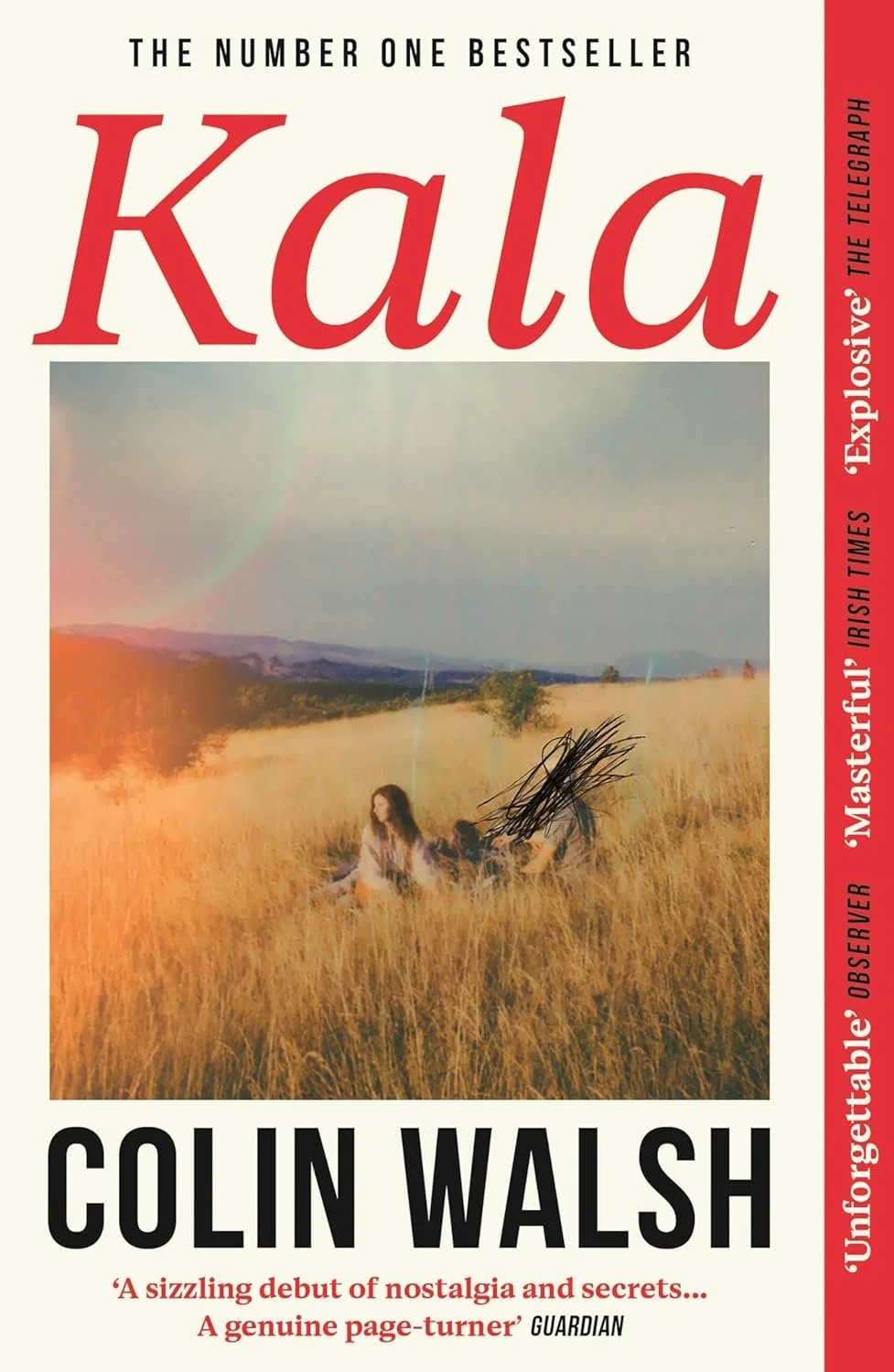
Well, I had a whole post about this, but Squarespace ate it and I can’t be bothered to write it again.
This is a pretty good thriller, albeit without the most original premise. Old friends reunite in their hometown, haunted by the disappearance of a childhood friend when they were teenagers.
I’d tried a couple of duds on my Kindle and was very pleased when I found this. It cracks along and the characterisation is pretty good.
Buy ‘Kala’ by Colin Walsh at bookshop.org
Excerpt
…at one point I made a comment about Auntie Pauline’s softness, and Rossie said, ‘It only looks like softness from outside.’ We kept working. But a few minutes later he piped up again and said, ‘It takes strength to be that delicate.’
‘Quint’ by Robert Lautner
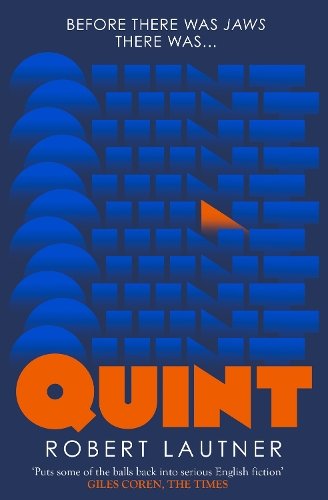
I’ve bounced off a few books lately, starting them and not feeling any desire to continue. One of the books that’s sat on my shelf for a while is Peter Benchley’s original novel of ‘Jaws’, which I got for Christmas. I think I’ve read it before and even though I don’t remember it being great (apart from the cover of the 70s edition I had) I probably would have read it if we hadn’t watched the film on Christmas Day.
Anyway, this prequel by Robert Lautner was pretty good. I tend not to be a fan of prequels, but got this from the library because I was mildly interested but not enough to actually buy the book.
It’s pretty good. There’s a fair amount of grisly details as you might expect, given that it covers the sinking of the USS Indianapolis in flashback and a fairly bloody bit of shark fishing contemporaneously. Years ago, a couple of friends were raving about Hemingway’s ‘The Old Man and The Sea’ and, honestly, I found all the fish talk pretty dull. Maybe I’ve matured as a reader since then. Maybe not. Perhaps reading ‘Moby Dick’ has radically reshaped what I think too much detail about fishing is. Anyway, this was pretty good, although it mainly made me think about how great Robert Shaw was in the film.
Excerpts
The devil
God never turns up. The Devil tips his hat to you, walks right beside you. God sits on a throne, keeps you beneath. You can get to know the Devil on first-name terms. He'll come to dinner fi you ask him. God sent his son and angels. The Devil comes in person. Gotta respect that a little.
– p131
Kaitens
You know what a Kaiten is? That's a suicide torpedo. Got a man or two on board, guiding by periscope. Hatches close and they got no opening on the inside. They used kids from poor families, eighteen years old, with the promise that their families would get a great pension. I know bad ways to die but that tops a lot. Fired out of a tube ni hte dark, into the night, into the black water, and if you don't hit, don't explode and burn, you'll sink to the deep and suffocate or blow up from the pressure. blow yourself out your own asshole. Got to give it to the J*ps. They really wanted to win. I just wanted to eat.
– p143-144, (censorship mine.)
Baby Sharks
Sharks birth live young. She has eggs like a fish, sure, but they hatch inside her and they ear the weaker ones so thems that come out are the strongest. They come out killers. Killers of their siblings to start their life. Earn their place.
— p171-172
‘The Medium is the Massage’ by Marshall McLuhan & Quentin Fiore
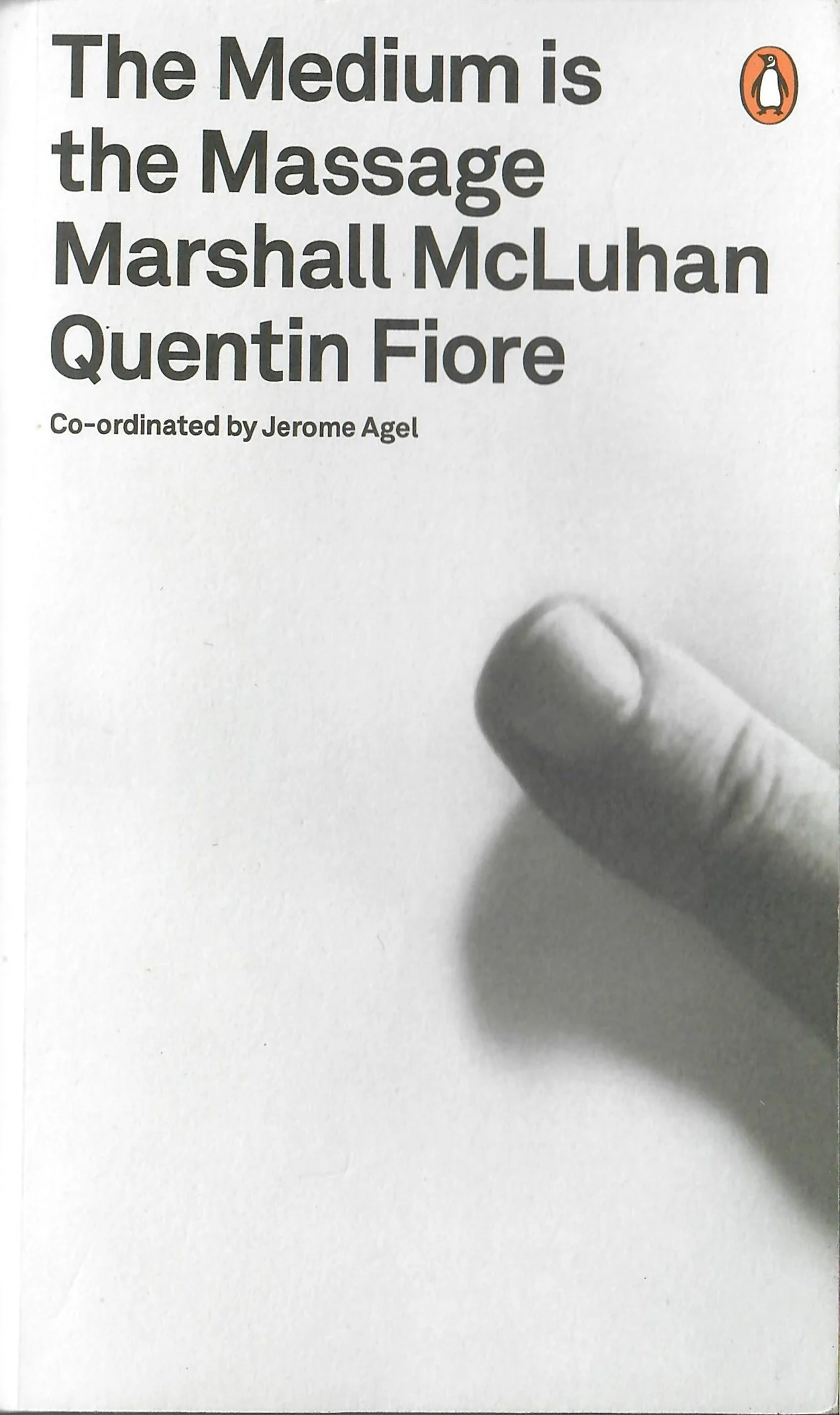
Slightly shitty scan of the cover. Soz.
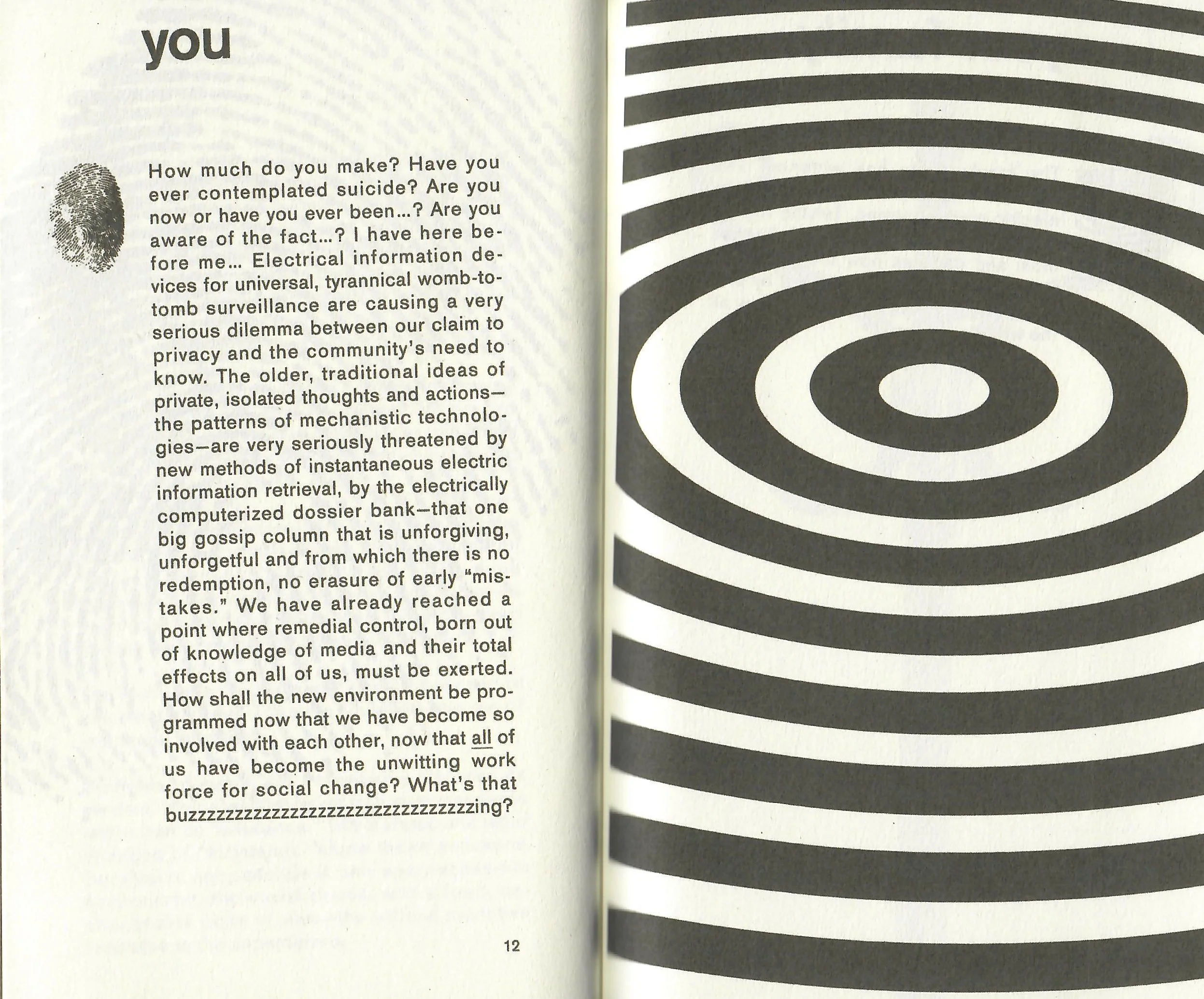
Weird book, picked up at a discount at a shop that was closing down. Although I’ve heard of McLuhan, it’s really only as a cameo in Annie Hall and for the phrase ‘the medium is the message’, which I heard a lot at one time (not so much anymore) and which I felt I understood on an intuitive level without ever really interrogating what it means.
Anything with interesting layouts and weird typography is going to get my attention and after a few months on the shelf, I read it during a couple of hours downtime.
My brain tends to hear Charlie Brown’s teacher when text gets too academic (bwah-bwah-mwah-bwah), but I’ve picked out a few bits that I found interesting. I will say, though, that as I was going back to scan a couple of spreads, bits started leaping out at me. It might have spared itself from the charity shop, at least for a while.
Anyway, some stuff:
Environments are not passive wrappings, but are, rather, active processes which are invisible. […] Anti- environments, or countersituations made by artists, provide means of direct attention and enable us to see and understand more clearly.
Print technology created the public. Electric technology created the mass.
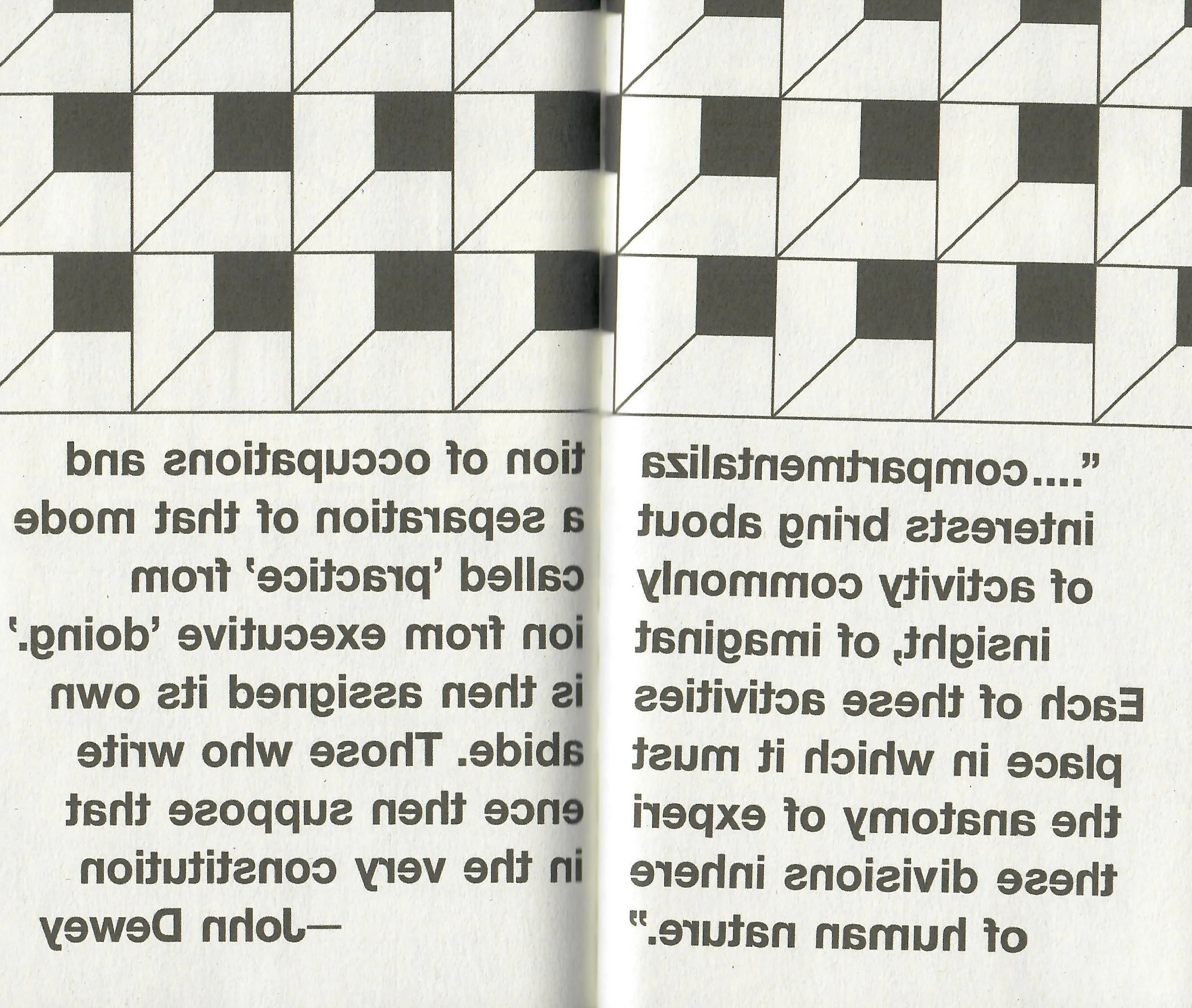
Professionalism is environmental. Amateurism is anti-environmental. Professionalism merges the individual into patterns of total environment. Amateurism seeks the development of the total awareness of the individual and the critical awareness of the ground rules of society. The amateur can afford to lose. The professional tends to classify and to specialize, to accept uncritically the groundrules of the environment. The groundrules provided by the mass response of his colleagues serve as a pervasive environment of which he is contentedly unaware. The "expert" is the man who stays put.
I also liked this, quoted:
“The discovery of the alphabet will create forgetfulness in the learners’ souls, because they will not use their memories; they will trust to the external written characters and note remember of themselves…. You give your disciples not truth but only the semblance of truth; they will be heroes of many things, and will have learned nothing; they will appear to be omniscient and will generally know nothing.” – Socrates, “Phaedrus”
and:
The Balinese say: “We have no art. We do everything as well as we can.”
Buy ‘The Medium is the Massage’ by Marshall McLuhan and Quentin Fiore from bookshop.org
'Burn Book' by Kara Swisher
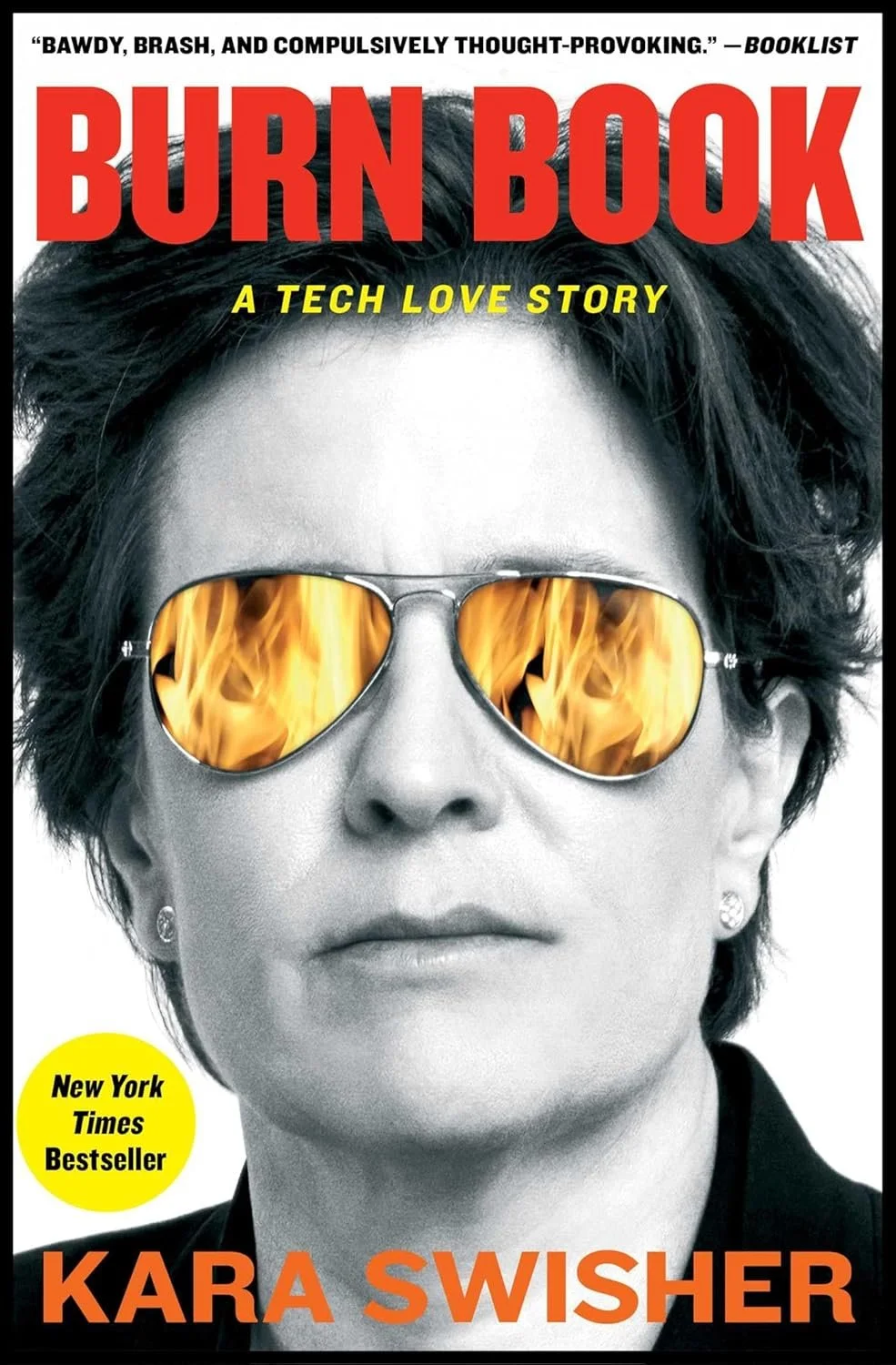
I mostly know Swisher from her various podcasts. She's fairly funny and level-headed about the inherent stupidness of much of the technology industry. I tried her earlier book There Must Be a Pony In Here Somewhere, but didn't make much headway, largely because I wasn't that interested in AOL as a company. I vaguely remembered reading an article about the company in Wired back when it was still a going concern and even then it was categorised as dull. I'm sure there's more to it and Swisher's book probably explains a lot of the now-incomprehensible AOL Time Warner merger. But it wasn't for me.
I tend to read books about business and technology when I go to sleep. I find them weirdly comforting. I particularly like books about ambitious hardware or software projects, such as ‘Showstopper! The Breakneck Race to Create Windows NT and the Next Generation at Microsoft’ by G. Pascal Zachary, which is full of technical detail or ‘Careless People’ by Sarah Wynn-Williams, which is full of weird, subhuman behaviour. The latter surprised me not with the callousness and ignorance of the technology entrepreneurial class, but more that anyone was shocked by it. The most surprising part of that book was that the author ever thought that Facebook could be a tool for genuine social good. It felt like an idea from long, long ago.
Swisher’s book is more of an overall precis of Swisher’s career and a round-up of the most notable figures in Silicon Valley. Although there’s promise of gossip, there isn’t much. Although fairly blunt, none of the commentary feels unfair, which is a fine line to tread.
Extracts
I’m not saying these are the best bits, but I’m trying to clip things from books that I find interesting. Just imagine the pencilled notes in the margins saying “yes, so true”.
Remembering that you are going to die is the best way I know to avoid the trap of thinking you have something to lose. You are already naked. There is no reason not to follow your heart.
Sandberg, for her part, listened and then said in her silky-smoothest of voices some version of “Calm down, Kara. We’re handling it.” Well, they didn’t handle the propaganda. Not from the Russians. Not in Iran. And not in Sri Lanka, where a Buddhist mob attacked Muslims over false information spread on Facebook, prompting a government official to tell the New York Times in the most perfect of metaphors: “The germs are ours, but Facebook is the wind.”
Spalding Gray’s show Interviewing the Audience, which I saw five times at the Kennedy Center in the 1990s. You could actually see it countless times because each show, Gray pulled three audience members onstage to talk.
the much-discussed Section 230 gives the sector an unusual amount of protection. Still, most regulators and politicians are utterly missing in action. Europe has done a much better job in large part thanks to the scourge of Silicon Valley, Margrethe Vestager, the Danish politician who headed the European Commission for Competition.
goat rodeo
Radioposter Launches Paper-fi: Analog Books with Synchronized Soundtracks
From the Colossal article about this melding of audio and print:
The system uses patented computer vision and other modes through a smartphone or smart glasses to track your place in the book and play the corresponding audio. Whether music, ambient sound, or narration, the soundtrack moves with you at your own pace.
While I think there’s lots to explore in the intersection of books and sound, this feels like a bit of a Juicero situation. I’m not sure there’s anything here that couldn’t be accomplished just by a playlist set to ‘repeat track’, with the reader pressing ‘next’ when they turn the page.
More info here if you’re interested: https://www.radioposter.com/blogs/paper-fi-blog/paper-fi
'Flesh' by David Szalay
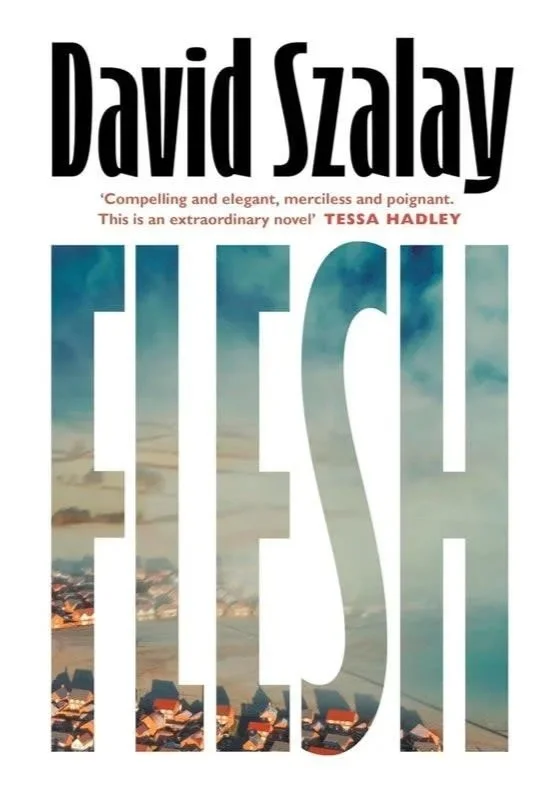
This was a Christmas present that I just got around to reading. It’s funny – as I was describing the book to my partner, I realised it all sounded fairly conventional, but it didn’t feel that way as I was reading it. The main character goes from relative poverty in Hungary to London’s elite and… I don’t know… learns lessons along the way, I guess.
The writing is very sparse, which I quite like. It gave me some ideas for the thing I’m currently working on, which is always something to be viewed with suspicion.
It’s only as I try to find cover art to include here that I realise it won the Booker prize. It might be the first Booker winner I’ve ever read, as I tend to stay away from that sort of thing. It was good. I’m not sure I would call it ‘extraordinary and singular’, as the Booker judges did, but it’s all right.
These notes are supposed to be me just keeping track of what I’ve read and seen, but they do come across as quite grumpy, don’t they?
(I’ve missed quite a few books. I might have to bung them all in a round up post.)
Anyway, ‘Flesh’ was pretty good. I’d wait for the paperback, but whatever.
'The Ballad of a Small Player' by Lawrence Osbourne
I’ve had this sitting on my shelf for some time and it may be the recently released Netflix adaptation that made me pick it up again. It’s the story of a gambler, passing himself off as an English lord, losing money in the casinos of Macau.
Some books you re-start and wonder why you ever put them down, only to get to the point you reached and remember. That was the case here, where it was another entry in the canon of shitty-man-has-woman-dote-on-him-for-no-good-reason. I always find that a bit annoying, but pushed on through here.
I’m honestly not that interested in gambling. I count myself fortunate that whatever fascination people seem to have with losing money, I don’t share. Of all my vices, that’s not one of them. But the idea of luck and superstition have a certain appeal and when the book explores these, I found it a bit more engaging.
As always with page-to-screen adaptations, I would be interested to see what changes in transition. Colin Farrell has turned out to be an actor whose work I find interesting. I’d previously dismissed him, having seen him in iRobot and the poster for the sacrilegious Total Recall remake. But having seen In Bruges, my opinion came around. I really enjoyed the Apple TV series Sugar and although I wasn’t convinced at first about the necessity of The Penguin series, it turned out to be pretty good. Anyway, this isn’t supposed to be about Colin Farrell, but rather the book.
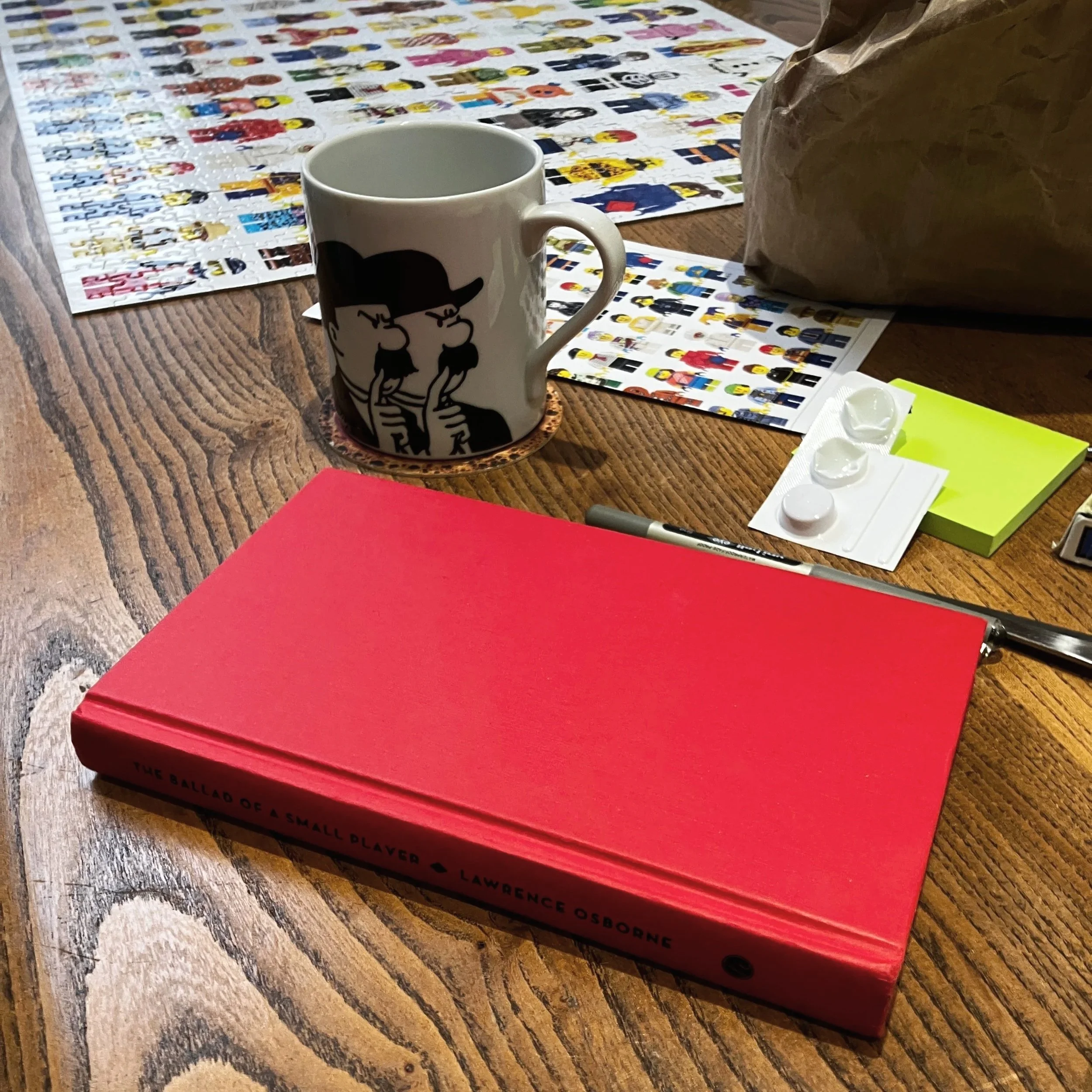
Because if there’s one main takeaway I have from reading The Ballad of a Small Player, it’s that I love little hardbacks. The dust jacket for this one got lost somewhere along the way and it’s just a perfect little red volume, pleasing in its size, weight and tactility.